
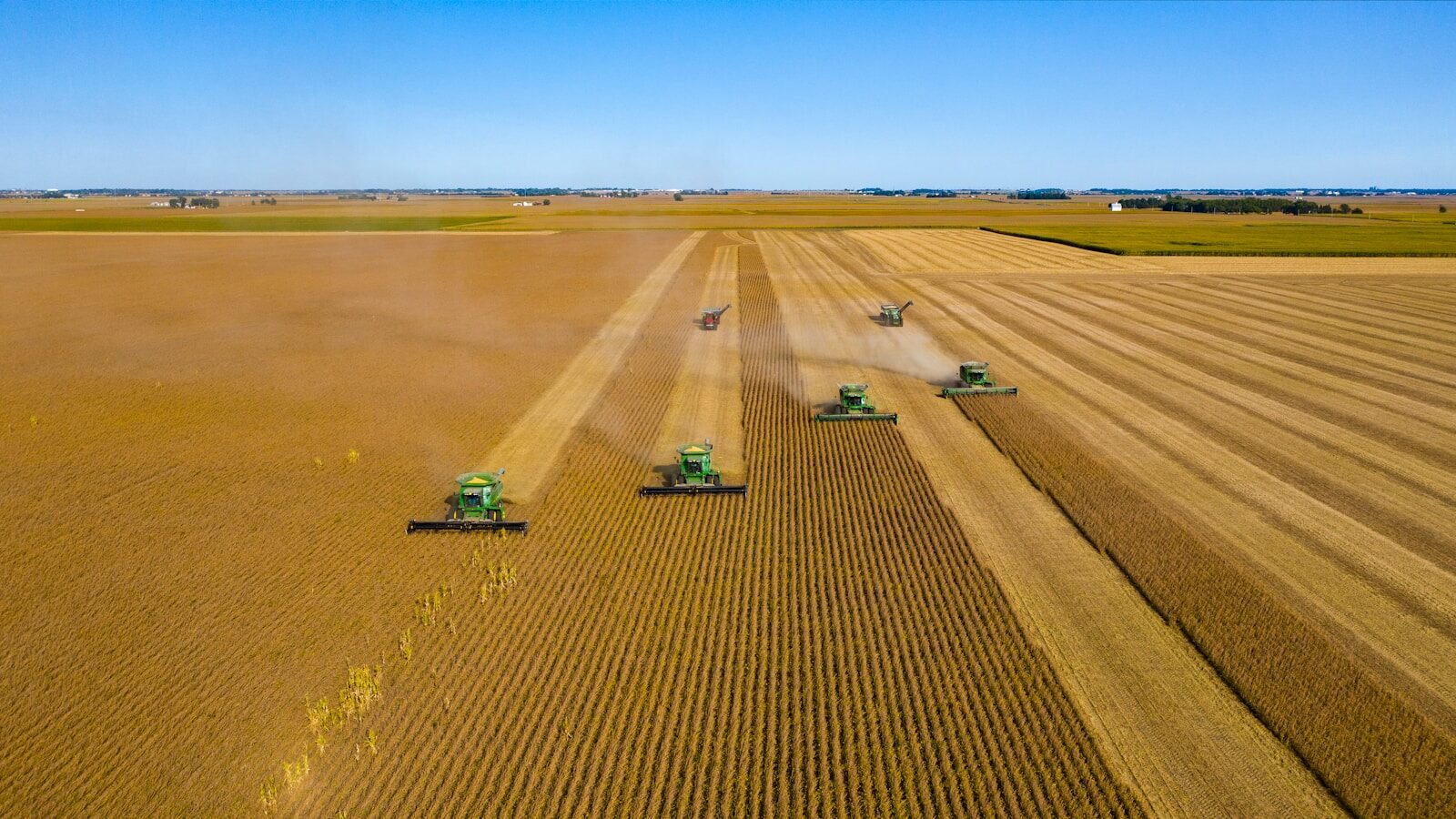
Investment-Trends-Brazil-Fertilizer-2026.jpg

Strategic Briefing: The Brazilian Fertiliser Sector (April 2026)

calendar-03
clock-05
5–7 minutes

This briefing outlines the regulatory and fiscal framework governing the fertiliser industry in Brazil. It serves as a high-level overview of the current legal landscape designed to stimulate domestic production and attract international capital following global supply chain disruptions.

Current Legal Scenario and Incentives

The legal framework is currently guided by the National Fertiliser Plan, which has been accelerated to reduce import dependency. Recent federal decrees have classified fertiliser infrastructure as a national security priority, streamlining environmental licensing and granting “strategic project” status to new plants.

To support this, the government has expanded the Special Regime for the Chemical Industry (REIQ). This regime provides significant relief from federal contributions on the acquisition of raw materials and feedstock, such as natural gas and sulphur, specifically for fertiliser synthesis.

Furthermore, a dedicated program for the development of the fertiliser industry offers localised incentives for regional hubs. These hubs benefit from municipal tax holidays and subsidised land leases, particularly in the Northeast and Center-West regions, to minimise logistical costs to the agricultural frontier.

The “Gas for Industry” initiative is a crucial legal pillar, regulating natural gas prices to ensure they remain competitive for nitrogen-based production. This regulatory intervention aims to decouple local production costs from volatile international spot prices that have surged during recent geopolitical conflicts.

Investment Vehicles

Foreign capital typically enters the sector through a Brazilian subsidiary or a Specific Purpose Entity (SPE). The SPE model is highly favoured for large-scale infrastructure projects because it isolates financial risk and allows for tailored governance structures between international and local partners.

Participation in Infrastructure Investment Funds (FIP-IE) is another sophisticated route. These funds offer tax advantages for individual investors and are designed to pool large amounts of capital for long-term construction projects, such as phosphate mines or ammonia pipelines.

Public-Private Partnerships (PPPs) are increasingly utilised for the “logistics” side of the industry. This includes the development of dedicated port terminals and railway spurs, where the state provides the concession and the private partner provides the technology and operational capital.

The Brazilian “Incentivised Debentures” market is also a primary vehicle for financing. These are fixed-income instruments issued by companies to fund infrastructure projects; they are exempt from withholding tax for foreign individuals, making them a highly attractive debt-financing tool.

Tax Structure

The tax burden on fertilisers is characterised by a “zero-rate” policy for many end-products to keep food prices stable. While this benefits the farmer, producers must carefully manage their tax credits to ensure that the “input” taxes they pay do not become a trapped cost on their balance sheets.

The ICMS (State Value Added Tax) has undergone significant harmonisation across all Brazilian states. A unified rate is now applied to the interstate transport of fertilisers, ending the “tax war” between states and providing a more predictable cost structure for distributors and manufacturers.

Corporate Income Tax (IRPJ) and the Social Contribution on Net Profit (CSLL) follow the standard rates, but companies in the North and Northeast can apply for “SUDENE” benefits. This can result in a 75% reduction of the IRPJ for a period of ten years for new industrial installations.

Import duties on finished fertilisers are currently fluctuating based on emergency “Executive Management Committee” (Gecex) decisions. To protect domestic industrialisation goals, the government periodically adjusts these tariffs to ensure that imported products do not undercut the pricing of locally manufactured nutrients.

Compliance and Regulatory Standards

Compliance is governed by the Ministry of Agriculture and Livestock (MAPA), which requires strict registration of every product and production facility. The 2026 “Self-Control Law” now allows companies with high-compliance rankings to manage their own internal quality audits under government supervision.

Environmental compliance is rigorous, requiring detailed Environmental Impact Reports (EIA/RIMA) for any mining or chemical transformation activity. Investors must navigate a three-stage licensing process: Preliminary, Installation, and Operating licenses, each requiring specific technical milestones.

Anti-corruption and ESG (Environmental, Social, and Governance) standards are now mandatory for accessing subsidised credit from national development banks. Companies must demonstrate “Clean Company Act” compliance and provide transparent reporting on water usage and carbon emissions during production.

Data protection (LGPD) also plays a role, especially for companies utilising precision agriculture digital tools. Protecting the proprietary data of farm clients and supply chain partners is a legal requirement that carries significant administrative fines for non-compliance or data breaches.

Tax Repatriation and Capital Flow

Brazil maintains a transparent “Registration of Foreign Direct Investment” (RDE-IED) system through the Central Bank. All incoming capital must be registered electronically, which serves as the legal basis for the future repatriation of profits, dividends, or the original invested capital.

Dividends distributed by a Brazilian entity to its foreign shareholders are currently exempt from Withholding Income Tax (WHT). This makes the “Equity” route a very efficient way to return value to a global headquarters compared to other emerging markets that tax outward dividend flows.

Interest on Equity (JCP) is a unique Brazilian mechanism that allows a company to pay interest to shareholders as if it were a debt expense. While this attracts a 15% withholding tax at the border, the payment is tax-deductible for the Brazilian subsidiary, often lowering the total tax bill.

Capital gains realised by a foreign investor upon the sale of their Brazilian assets are subject to a progressive tax rate ranging from 15% to 22.5%. However, double-taxation treaties (such as those being expanded with European and Asian nations) can often provide relief or credits in the investor’s home country.

Financial scale of the fertiliser industry

The global and domestic financial scale of the fertiliser industry underscores its position as a pillar of the modern economy. Globally, the fertiliser market reached a valuation of approximately US$190 billion in 2025, with projections suggesting it will exceed US$240 billion by 2030 as food security remains a top-tier geopolitical priority.

Within the Brazilian context, the sector’s relevance is even more concentrated; the country accounts for roughly 8% of total global fertiliser consumption, yet its domestic market for these inputs is valued at over US$25 billion annually.

As Brazil continues to provide nearly 25% of the world’s primary agricultural exports, the capital expenditure (CAPEX) required to meet the National Fertiliser Plan’s 2050 goals represents one of the largest infrastructure and industrial investment opportunities in the Southern Hemisphere.

Research sources:

International Fertilizer Association (IFA): Market Statistics and Outlook

Ministry of Agriculture and Livestock (MAPA): National Fertilizer Plan (PNF)

Confederação da Agricultura e Pecuária do Brasil (CNA): Agribusiness Economic Indicators

The World Bank: Commodity Markets Outlook – Fertilizers

All the content provided on this insight are for informational purposes only. They do not constitute legal, financial, or tax advice.

Need a tailored legal advice?

vCard


Strategic Briefing: The Brazilian Fertiliser Sector (April 2026)

calendar-03
clock-05
5–7 minutes

This briefing outlines the regulatory and fiscal framework governing the fertiliser industry in Brazil. It serves as a high-level overview of the current legal landscape designed to stimulate domestic production and attract international capital following global supply chain disruptions.

Current Legal Scenario and Incentives

The legal framework is currently guided by the National Fertiliser Plan, which has been accelerated to reduce import dependency. Recent federal decrees have classified fertiliser infrastructure as a national security priority, streamlining environmental licensing and granting “strategic project” status to new plants.

To support this, the government has expanded the Special Regime for the Chemical Industry (REIQ). This regime provides significant relief from federal contributions on the acquisition of raw materials and feedstock, such as natural gas and sulphur, specifically for fertiliser synthesis.

Furthermore, a dedicated program for the development of the fertiliser industry offers localised incentives for regional hubs. These hubs benefit from municipal tax holidays and subsidised land leases, particularly in the Northeast and Center-West regions, to minimise logistical costs to the agricultural frontier.

The “Gas for Industry” initiative is a crucial legal pillar, regulating natural gas prices to ensure they remain competitive for nitrogen-based production. This regulatory intervention aims to decouple local production costs from volatile international spot prices that have surged during recent geopolitical conflicts.

Investment Vehicles

Foreign capital typically enters the sector through a Brazilian subsidiary or a Specific Purpose Entity (SPE). The SPE model is highly favoured for large-scale infrastructure projects because it isolates financial risk and allows for tailored governance structures between international and local partners.

Participation in Infrastructure Investment Funds (FIP-IE) is another sophisticated route. These funds offer tax advantages for individual investors and are designed to pool large amounts of capital for long-term construction projects, such as phosphate mines or ammonia pipelines.

Public-Private Partnerships (PPPs) are increasingly utilised for the “logistics” side of the industry. This includes the development of dedicated port terminals and railway spurs, where the state provides the concession and the private partner provides the technology and operational capital.

The Brazilian “Incentivised Debentures” market is also a primary vehicle for financing. These are fixed-income instruments issued by companies to fund infrastructure projects; they are exempt from withholding tax for foreign individuals, making them a highly attractive debt-financing tool.

Tax Structure

The tax burden on fertilisers is characterised by a “zero-rate” policy for many end-products to keep food prices stable. While this benefits the farmer, producers must carefully manage their tax credits to ensure that the “input” taxes they pay do not become a trapped cost on their balance sheets.

The ICMS (State Value Added Tax) has undergone significant harmonisation across all Brazilian states. A unified rate is now applied to the interstate transport of fertilisers, ending the “tax war” between states and providing a more predictable cost structure for distributors and manufacturers.

Corporate Income Tax (IRPJ) and the Social Contribution on Net Profit (CSLL) follow the standard rates, but companies in the North and Northeast can apply for “SUDENE” benefits. This can result in a 75% reduction of the IRPJ for a period of ten years for new industrial installations.

Import duties on finished fertilisers are currently fluctuating based on emergency “Executive Management Committee” (Gecex) decisions. To protect domestic industrialisation goals, the government periodically adjusts these tariffs to ensure that imported products do not undercut the pricing of locally manufactured nutrients.

Compliance and Regulatory Standards

Compliance is governed by the Ministry of Agriculture and Livestock (MAPA), which requires strict registration of every product and production facility. The 2026 “Self-Control Law” now allows companies with high-compliance rankings to manage their own internal quality audits under government supervision.

Environmental compliance is rigorous, requiring detailed Environmental Impact Reports (EIA/RIMA) for any mining or chemical transformation activity. Investors must navigate a three-stage licensing process: Preliminary, Installation, and Operating licenses, each requiring specific technical milestones.

Anti-corruption and ESG (Environmental, Social, and Governance) standards are now mandatory for accessing subsidised credit from national development banks. Companies must demonstrate “Clean Company Act” compliance and provide transparent reporting on water usage and carbon emissions during production.

Data protection (LGPD) also plays a role, especially for companies utilising precision agriculture digital tools. Protecting the proprietary data of farm clients and supply chain partners is a legal requirement that carries significant administrative fines for non-compliance or data breaches.

Tax Repatriation and Capital Flow

Brazil maintains a transparent “Registration of Foreign Direct Investment” (RDE-IED) system through the Central Bank. All incoming capital must be registered electronically, which serves as the legal basis for the future repatriation of profits, dividends, or the original invested capital.

Dividends distributed by a Brazilian entity to its foreign shareholders are currently exempt from Withholding Income Tax (WHT). This makes the “Equity” route a very efficient way to return value to a global headquarters compared to other emerging markets that tax outward dividend flows.

Interest on Equity (JCP) is a unique Brazilian mechanism that allows a company to pay interest to shareholders as if it were a debt expense. While this attracts a 15% withholding tax at the border, the payment is tax-deductible for the Brazilian subsidiary, often lowering the total tax bill.

Capital gains realised by a foreign investor upon the sale of their Brazilian assets are subject to a progressive tax rate ranging from 15% to 22.5%. However, double-taxation treaties (such as those being expanded with European and Asian nations) can often provide relief or credits in the investor’s home country.

Financial scale of the fertiliser industry

The global and domestic financial scale of the fertiliser industry underscores its position as a pillar of the modern economy. Globally, the fertiliser market reached a valuation of approximately US$190 billion in 2025, with projections suggesting it will exceed US$240 billion by 2030 as food security remains a top-tier geopolitical priority.

Within the Brazilian context, the sector’s relevance is even more concentrated; the country accounts for roughly 8% of total global fertiliser consumption, yet its domestic market for these inputs is valued at over US$25 billion annually.

As Brazil continues to provide nearly 25% of the world’s primary agricultural exports, the capital expenditure (CAPEX) required to meet the National Fertiliser Plan’s 2050 goals represents one of the largest infrastructure and industrial investment opportunities in the Southern Hemisphere.

Research sources:

International Fertilizer Association (IFA): Market Statistics and Outlook

Ministry of Agriculture and Livestock (MAPA): National Fertilizer Plan (PNF)

Confederação da Agricultura e Pecuária do Brasil (CNA): Agribusiness Economic Indicators

The World Bank: Commodity Markets Outlook – Fertilizers

All the content provided on this insight are for informational purposes only. They do not constitute legal, financial, or tax advice.

Need a tailored legal advice?

vCard


Latest posts

Latest posts

São Paulo Time London Time